
How DermaBind fits into clinical practice.
This section is written for clinicians. It covers patient selection, wound bed preparation, documentation requirements, and reimbursement guidance. This includes the practical considerations that determine whether DermaBind is the right choice for a given patient at a given point in their care.
How DermaBind fits into clinical practice.
This section is written for clinicians. It covers patient selection, wound bed preparation, documentation requirements, and reimbursement guidance. This includes the practical considerations that determine whether DermaBind is the right choice for a given patient at a given point in their care.

Patient selection, wound bed preparation, and application.
Patient selection, wound bed preparation, and application.
DermaBind is indicated for use as a wound covering on partial- and full-thickness hard-to-heal wounds that have failed to respond to standard care. Patient selection begins before the graft is ever considered, with thorough wound bed preparation and documentation of the standard care trial that CMS LCDs require.
DermaBind is indicated for use as a wound covering on partial- and full-thickness hard-to-heal wounds that have failed to respond to standard care. Patient selection begins before the graft is ever considered, with thorough wound bed preparation and documentation of the standard care trial that CMS LCDs require.

Before application: the standard care trial
CMS LCDs require a documented minimum of 30 days of appropriate standard care, with weekly wound measurements, before a skin substitute graft or cellular and tissue-based product can be applied. This is the clinical discipline that ensures graft application is appropriate for the patient.
The DermaBind 30-Day Medical Necessity Pathway is a documentation tool that makes this requirement feel like the clinical record it already is. It tracks wound measurements, debridement, perfusion status, and clinical narrative across every visit.
Wound bed preparation
Adequate wound bed preparation is a prerequisite for application. This includes debridement of non-viable tissue, management of infection or biofilm, optimisation of the wound moisture environment, and address of any underlying conditions affecting healing (perfusion, glycaemic control, nutritional status, offloading).

Application
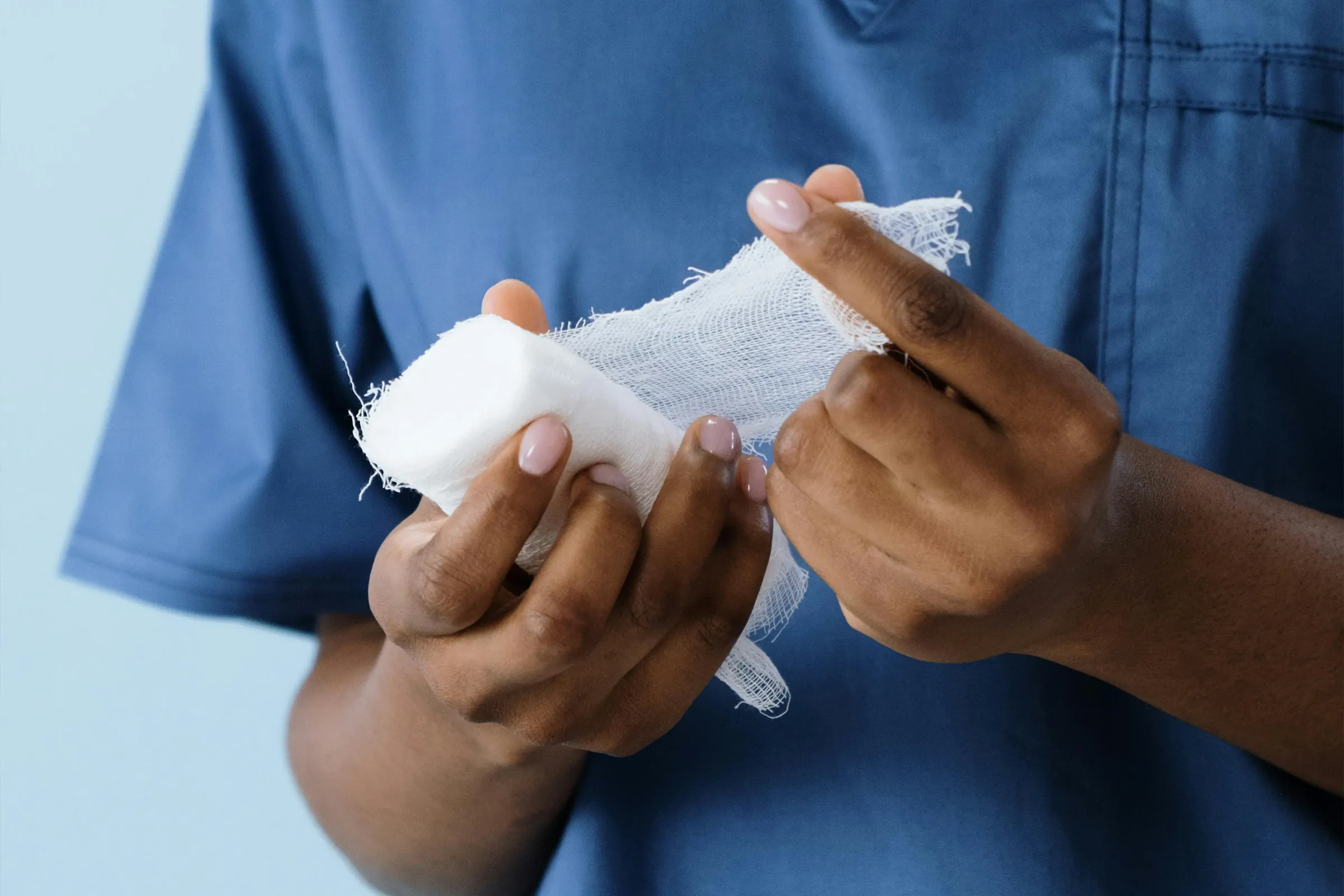
DermaBind requires no preparation at point of care. The graft is applied amnion-side down to the prepared wound bed. DermaBind FM carries an orientation notch to make correct placement consistent. DermaBind TL carries an orientation label on the packaging. The graft hydrates in situ and is suture-ready when fixation is required.
After application
Continue wound assessment at each visit. Document wound measurements, tissue type, and clinical progress. Graft application is continued as clinically appropriate based on wound response, per LCD guidelines.

Before application: the standard care trial
CMS LCDs require a documented minimum of 30 days of appropriate standard care, with weekly wound measurements, before a skin substitute graft or cellular and tissue-based product can be applied. This is the clinical discipline that ensures graft application is appropriate for the patient.
The DermaBind 30-Day Medical Necessity Pathway is a documentation tool that makes this requirement feel like the clinical record it already is. It tracks wound measurements, debridement, perfusion status, and clinical narrative across every visit.
Wound bed preparation
Adequate wound bed preparation is a prerequisite for application. This includes debridement of non-viable tissue, management of infection or biofilm, optimisation of the wound moisture environment, and address of any underlying conditions affecting healing (perfusion, glycaemic control, nutritional status, offloading).
Application
DermaBind requires no preparation at point of care. The graft is applied amnion-side down to the prepared wound bed. DermaBind FM carries an orientation notch to make correct placement consistent. DermaBind TL carries an orientation label on the packaging. The graft hydrates in situ and is suture-ready when fixation is required.
After application
Continue wound assessment at each visit. Document wound measurements, tissue type, and clinical progress. Graft application is continued as clinically appropriate based on wound response, per LCD guidelines.

The documentation that supports your clinical decision — and protects it.
The documentation that supports your clinical decision — and protects it.
Eighty percent of audit clawbacks in the wound care space originate from inadequate documentation of the standard care trial that precedes advanced treatment. The records that justify your decision to apply a graft are the same records that demonstrate the quality of your clinical practice.
Eighty percent of audit clawbacks in the wound care space originate from inadequate documentation of the standard care trial that precedes advanced treatment. The records that justify your decision to apply a graft are the same records that demonstrate the quality of your clinical practice.
What auditors check for

01
A minimum 30-day trail of documented standard care with consistent wound measurements.

02
Perfusion documented with actual values (ABI or equivalent) for lower extremity wounds.

03
HbA1c documented with actual value for diabetic patients.

04
Visit-by-visit measurements demonstrating wound stasis or deterioration despite treatment.

05
Debridement attempted and technique recorded in the clinical note.
30-Day Medical Necessity Pathway
A documentation tool designed to make CMS LCD compliance feel like the clinical record it already is. Five minutes per visit over four weeks. Audit-structured on day 30.
DISCLAIMER: Completion of the pathway does not guarantee reimbursement or audit approval. Providers are responsible for ensuring all documentation is accurate, complete, and consistent with clinical findings and applicable LCD requirements.

30-Day Medical Necessity Pathway
A documentation tool designed to make CMS LCD compliance feel like the clinical record it already is. Five minutes per visit over four weeks. Audit-structured on day 30.
DISCLAIMER: Completion of the pathway does not guarantee reimbursement or audit approval. Providers are responsible for ensuring all documentation is accurate, complete, and consistent with clinical findings and applicable LCD requirements.

WHAT TO KNOW BEFORE YOU APPLY
Reimbursement
DermaBind is reimbursed under CMS Local Coverage Determinations governing skin substitute grafts and cellular and tissue-based products (CTPs). Coverage applies to diabetic foot ulcers and venous leg ulcers in the primary LCD. Coverage for other wound types is subject to individual MAC determination and documentation of medical necessity.
WHAT TO KNOW BEFORE YOU APPLY
Reimbursement
DermaBind is reimbursed under CMS Local Coverage Determinations governing skin substitute grafts and cellular and tissue-based products (CTPs). Coverage applies to diabetic foot ulcers and venous leg ulcers in the primary LCD. Coverage for other wound types is subject to individual MAC determination and documentation of medical necessity.
Key LCD requirements

Minimum 30 days of documented standard care without adequate wound improvement.

Weekly wound measurements throughout the standard care trial.

ABI of 0.60 or above (or documented vascular intervention) for lower extremity wounds.

HbA1c documented and optimised for diabetic patients.

No active uncontrolled infection at time of application.

Patient compliance documented throughout the standard care trial.
Minimum 30 days of documented standard care without adequate wound improvement.
Weekly wound measurements throughout the standard care trial.
ABI of 0.60 or above (or documented vascular intervention) for lower extremity wounds.
HbA1c documented and optimised for diabetic patients.
No active uncontrolled infection at time of application.
Patient compliance documented throughout the standard care trial.
NOTE: This guidance reflects CMS LCD requirements as understood at the time of writing. LCD coverage criteria are subject to change. Providers should verify current requirements with their MAC. This page does not constitute billing, coding, or legal advice.
NOTE: This guidance reflects CMS LCD requirements as understood at the time of writing. LCD coverage criteria are subject to change. Providers should verify current requirements with their MAC. This page does not constitute billing, coding, or legal advice.

30-Day
Medical Necessity Pathway
A documentation tool designed to make CMS LCD compliance feel like the clinical record it already is.
A documentation tool designed to make CMS LCD compliance feel like the clinical record it already is.
FAQs
Frequently asked clinical questions.
Can I use DermaBind on wounds other than DFUs and VLUs?
DermaBind TL and FM are indicated as wound coverings for partial- and full-thickness hard-to-heal wounds of various aetiologies. Reimbursement coverage under CMS LCDs applies primarily to DFUs and VLUs. Coverage for other wound types, including pressure injuries, is subject to MAC determination and documented medical necessity. The clinical case series published in the Journal of Wound Care (2025) includes data from pressure ulcers, traumatic wounds, and post-necrotising fasciitis wounds.
How many graft applications are typically required?
The published case series reports an average treatment duration of 6.7 weeks, with a range of 2 to 15 weeks. Graft applications are continued as clinically appropriate, per LCD guidelines, based on wound response at each visit.
What is the difference between DermaBind TL and DermaBind FM?
Both configurations undergo the same preservation process and have the same structural composition. The difference is in orientation guidance at point of care. DermaBind FM carries a physical notch on the graft that identifies the amnion side without reference to packaging. DermaBind TL provides orientation guidance via the packaging label.
What are the contraindications?
DermaBind should not be applied in the presence of active uncontrolled infection. It should not be applied where perfusion is inadequate and vascular intervention has not been completed. Application in a wound that is showing steady improvement with standard care is not appropriate — continue standard care. Consult product documentation for complete contraindication information.
Is the graft safe to use in patients with multiple comorbidities?
The published case series was conducted in a population with an average of more than five documented comorbidities per patient, including diabetes, hypertension, peripheral artery disease, and end-stage renal disease. Appropriate patient selection, wound bed preparation, and management of underlying conditions are prerequisites for any advanced wound covering.

FAQs
Frequently asked clinical questions.
Can I use DermaBind on wounds other than DFUs and VLUs?
DermaBind TL and FM are indicated as wound coverings for partial- and full-thickness hard-to-heal wounds of various aetiologies. Reimbursement coverage under CMS LCDs applies primarily to DFUs and VLUs. Coverage for other wound types, including pressure injuries, is subject to MAC determination and documented medical necessity. The clinical case series published in the Journal of Wound Care (2025) includes data from pressure ulcers, traumatic wounds, and post-necrotising fasciitis wounds.
How many graft applications are typically required?
The published case series reports an average treatment duration of 6.7 weeks, with a range of 2 to 15 weeks. Graft applications are continued as clinically appropriate, per LCD guidelines, based on wound response at each visit.
What is the difference between DermaBind TL and DermaBind FM?
Both configurations undergo the same preservation process and have the same structural composition. The difference is in orientation guidance at point of care. DermaBind FM carries a physical notch on the graft that identifies the amnion side without reference to packaging. DermaBind TL provides orientation guidance via the packaging label.
What are the contraindications?
DermaBind should not be applied in the presence of active uncontrolled infection. It should not be applied where perfusion is inadequate and vascular intervention has not been completed. Application in a wound that is showing steady improvement with standard care is not appropriate — continue standard care. Consult product documentation for complete contraindication information.
Is the graft safe to use in patients with multiple comorbidities?
The published case series was conducted in a population with an average of more than five documented comorbidities per patient, including diabetes, hypertension, peripheral artery disease, and end-stage renal disease. Appropriate patient selection, wound bed preparation, and management of underlying conditions are prerequisites for any advanced wound covering.

Wound aetiology
Diabetic foot ulcers.
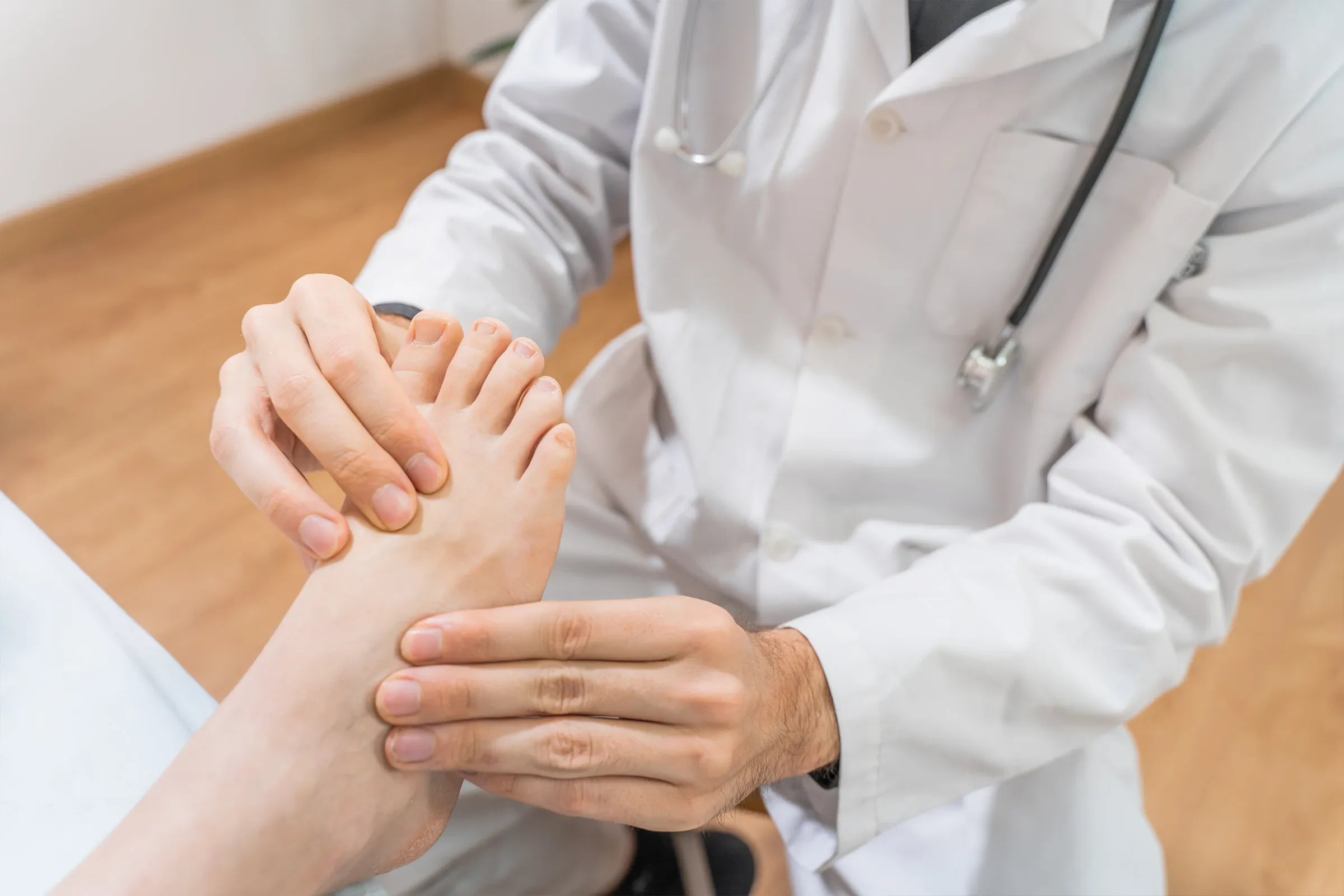
Diabetic foot ulcers are among the most prevalent and consequential hard-to-heal wounds in clinical practice. The combination of peripheral neuropathy, compromised perfusion, and impaired immune response creates a wound environment that is resistant to standard care and prone to deterioration. Amputation risk is real and proximate.
In the DermaBind clinical case series (JoWC, 2025), diabetic foot ulcers accounted for 19.4% of wounds treated. Patient HbA1c varied across the cohort, and outcomes data did not demonstrate a consistent relationship between glycaemic control and wound response, reinforcing the importance of individualised assessment.
Before considering DermaBind for a DFU patient
- Perfusion confirmed: ABI of 0.60 or above, or documented vascular referral and intervention.
- HbA1c documented. Optimisation plan in place if uncontrolled.
- Offloading protocol in place and patient compliance documented.
- Infection treated and resolved.
- Minimum 30 days of standard care documented without adequate wound improvement.
30-Day Medical Necessity Pathway
A documentation tool designed to make CMS LCD compliance feel like the clinical record it already is.
Wound aetiology
Diabetic foot ulcers.
Diabetic foot ulcers are among the most prevalent and consequential hard-to-heal wounds in clinical practice. The combination of peripheral neuropathy, compromised perfusion, and impaired immune response creates a wound environment that is resistant to standard care and prone to deterioration. Amputation risk is real and proximate.
In the DermaBind clinical case series (JoWC, 2025), diabetic foot ulcers accounted for 19.4% of wounds treated. Patient HbA1c varied across the cohort, and outcomes data did not demonstrate a consistent relationship between glycaemic control and wound response, reinforcing the importance of individualised assessment.
Before considering DermaBind for a DFU patient
- Perfusion confirmed: ABI of 0.60 or above, or documented vascular referral and intervention.
- HbA1c documented. Optimisation plan in place if uncontrolled.
- Offloading protocol in place and patient compliance documented.
- Infection treated and resolved.
- Minimum 30 days of standard care documented without adequate wound improvement.
30-Day Medical Necessity Pathway
A documentation tool designed to make CMS LCD compliance feel like the clinical record it already is.
Wound aetiology
Venous leg ulcers.
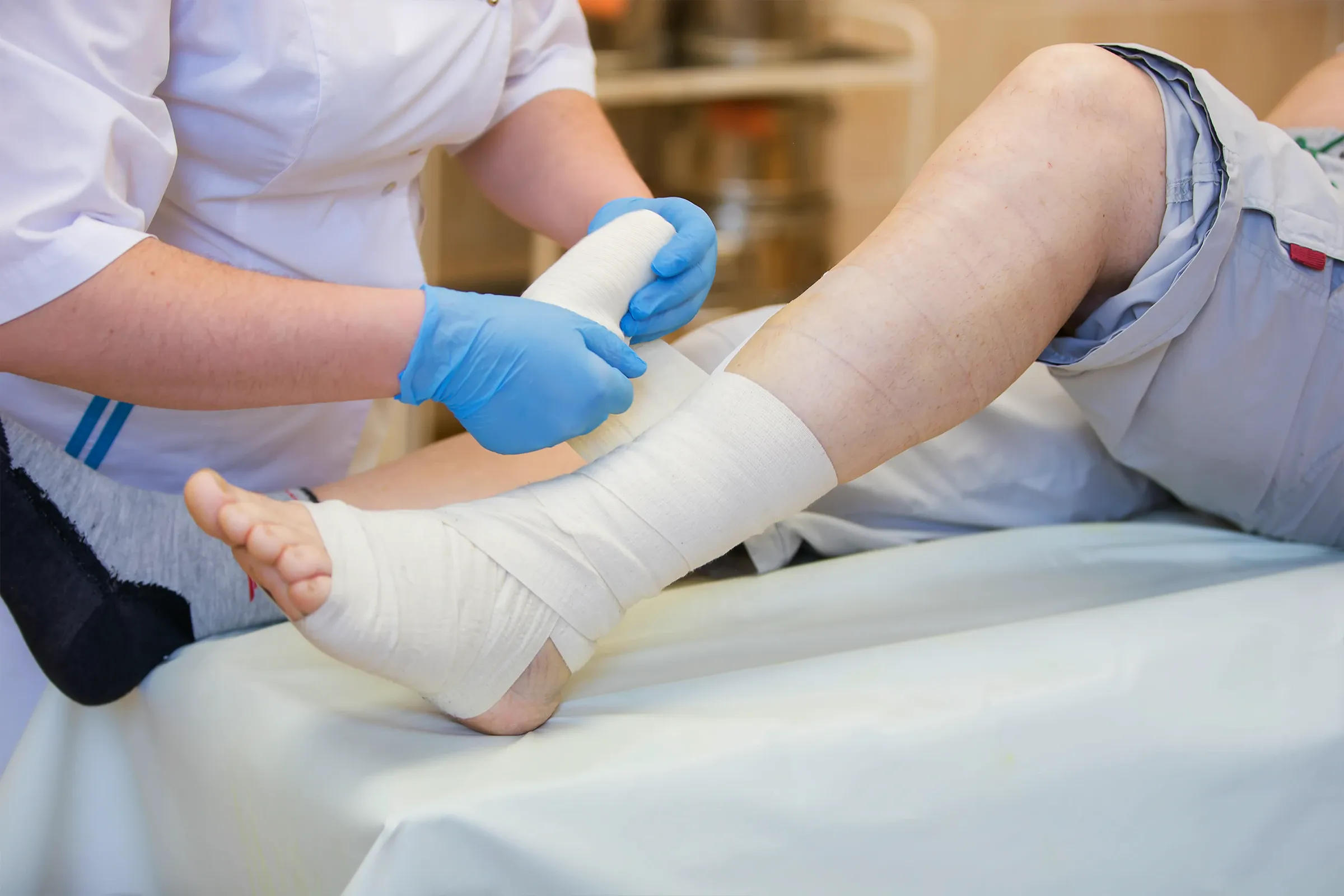
Venous leg ulcers arise from chronic venous insufficiency and the sustained tissue damage that results from venous hypertension. They are often large, painful, and slow to respond to compression therapy alone. Chronicity and recurrence are the defining clinical challenges.
The published case series includes a venous leg ulcer with a surface area of 460cm2 and an onset of seven years prior to first graft application. Following ten DermaBind applications, surface area reduced to 256.5cm2 — a 44.2% reduction — as part of a protocol aimed at preventing lower limb amputation.
Before considering DermaBind for a VLU patient
- Adequate venous compression therapy in place and tolerated.
- ABI confirmed to rule out arterial disease before applying compression.
- Wound bed prepared: debridement of fibrinous slough, moisture balance maintained.
- Minimum 30 days of standard care documented without adequate wound improvement.
30-Day Medical Necessity Pathway
A documentation tool designed to make CMS LCD compliance feel like the clinical record it already is.
Wound aetiology
Venous leg ulcers.
Venous leg ulcers arise from chronic venous insufficiency and the sustained tissue damage that results from venous hypertension. They are often large, painful, and slow to respond to compression therapy alone. Chronicity and recurrence are the defining clinical challenges.
The published case series includes a venous leg ulcer with a surface area of 460cm2 and an onset of seven years prior to first graft application. Following ten DermaBind applications, surface area reduced to 256.5cm2 — a 44.2% reduction — as part of a protocol aimed at preventing lower limb amputation.
Before considering DermaBind for a VLU patient
- Adequate venous compression therapy in place and tolerated.
- ABI confirmed to rule out arterial disease before applying compression.
- Wound bed prepared: debridement of fibrinous slough, moisture balance maintained.
- Minimum 30 days of standard care documented without adequate wound improvement.
30-Day Medical Necessity Pathway
A documentation tool designed to make CMS LCD compliance feel like the clinical record it already is.
Wound aetiology
Pressure injuries.
Pressure injuries were the most prevalent wound type in the DermaBind clinical case series (JoWC, 2025), accounting for 63.9% of wounds treated. Stages 2 through 4 were represented. The patient population included individuals who were bedbound or paraplegic — a population in which standard care alone frequently fails to achieve wound closure.
Pressure injury management requires a multidisciplinary approach: pressure redistribution, nutritional optimisation, management of moisture and continence, and regular wound assessment. Advanced wound coverings are one component of a broader care plan.
REIMBURSEMENT NOTE: CMS LCD primary coverage applies to DFUs and VLUs. Coverage for pressure injuries is subject to individual MAC determination and requires thorough documentation of medical necessity. Consult your MAC’s LCD and LCA before applying.

Before considering DermaBind for a pressure injury patient
- Pressure redistribution in place: appropriate support surface, repositioning schedule.
- Nutritional status assessed and supplementation initiated where indicated.
- Wound bed prepared: debridement of necrotic tissue where appropriate to wound stage.
- Minimum 30 days of standard care documented without adequate wound improvement.
30-Day Medical Necessity Pathway
A documentation tool designed to make CMS LCD compliance feel like the clinical record it already is.
Wound aetiology
Pressure injuries.
Pressure injuries were the most prevalent wound type in the DermaBind clinical case series (JoWC, 2025), accounting for 63.9% of wounds treated. Stages 2 through 4 were represented. The patient population included individuals who were bedbound or paraplegic — a population in which standard care alone frequently fails to achieve wound closure.
Pressure injury management requires a multidisciplinary approach: pressure redistribution, nutritional optimisation, management of moisture and continence, and regular wound assessment. Advanced wound coverings are one component of a broader care plan.
REIMBURSEMENT NOTE: CMS LCD primary coverage applies to DFUs and VLUs. Coverage for pressure injuries is subject to individual MAC determination and requires thorough documentation of medical necessity. Consult your MAC’s LCD and LCA before applying.
Before considering DermaBind for a pressure injury patient
- Pressure redistribution in place: appropriate support surface, repositioning schedule.
- Nutritional status assessed and supplementation initiated where indicated.
- Wound bed prepared: debridement of necrotic tissue where appropriate to wound stage.
- Minimum 30 days of standard care documented without adequate wound improvement.
30-Day Medical Necessity Pathway
A documentation tool designed to make CMS LCD compliance feel like the clinical record it already is.
Wound aetiology
Surgical dehiscence and traumatic wounds.
Surgical wound dehiscence and complex traumatic wounds present a different clinical challenge from chronic ulcers: the wound is acute in origin but may quickly develop the characteristics of a hard-to-heal wound, particularly in patients with comorbidities. The case series includes a full-thickness traumatic injury and a full-thickness post-necrotising fasciitis wound.
Management priorities include infection control, wound bed preparation, and ensuring that systemic factors contributing to impaired healing are addressed before advanced wound covering is considered.
Before considering DermaBind for surgical dehiscence and traumatic wounds
Standard LCD documentation requirements apply. Medical necessity must be established through documented failure of standard care. Consult your MAC’s LCD and LCA for specific guidance on this wound category.
30-Day Medical Necessity Pathway
A documentation tool designed to make CMS LCD compliance feel like the clinical record it already is.
Wound aetiology
Surgical dehiscence and traumatic wounds.
Surgical wound dehiscence and complex traumatic wounds present a different clinical challenge from chronic ulcers: the wound is acute in origin but may quickly develop the characteristics of a hard-to-heal wound, particularly in patients with comorbidities. The case series includes a full-thickness traumatic injury and a full-thickness post-necrotising fasciitis wound.
Management priorities include infection control, wound bed preparation, and ensuring that systemic factors contributing to impaired healing are addressed before advanced wound covering is considered.
Before considering DermaBind for surgical dehiscence and traumatic wounds
Standard LCD documentation requirements apply. Medical necessity must be established through documented failure of standard care. Consult your MAC’s LCD and LCA for specific guidance on this wound category.
30-Day Medical Necessity Pathway
A documentation tool designed to make CMS LCD compliance feel like the clinical record it already is.

Let’s look at your protocol together.
Tell us about your practice and the patients you’re managing. We’ll come back to you with something useful.